Open Source Arts x The Big Plastic Count
Plastic pollution, and what some have coined the plastic crisis, has risen to public consciousness over the past few years. It has received plenty of media coverage with documentaries, such as Drowning in Plastic, and comments from national treasure David Attenborough.
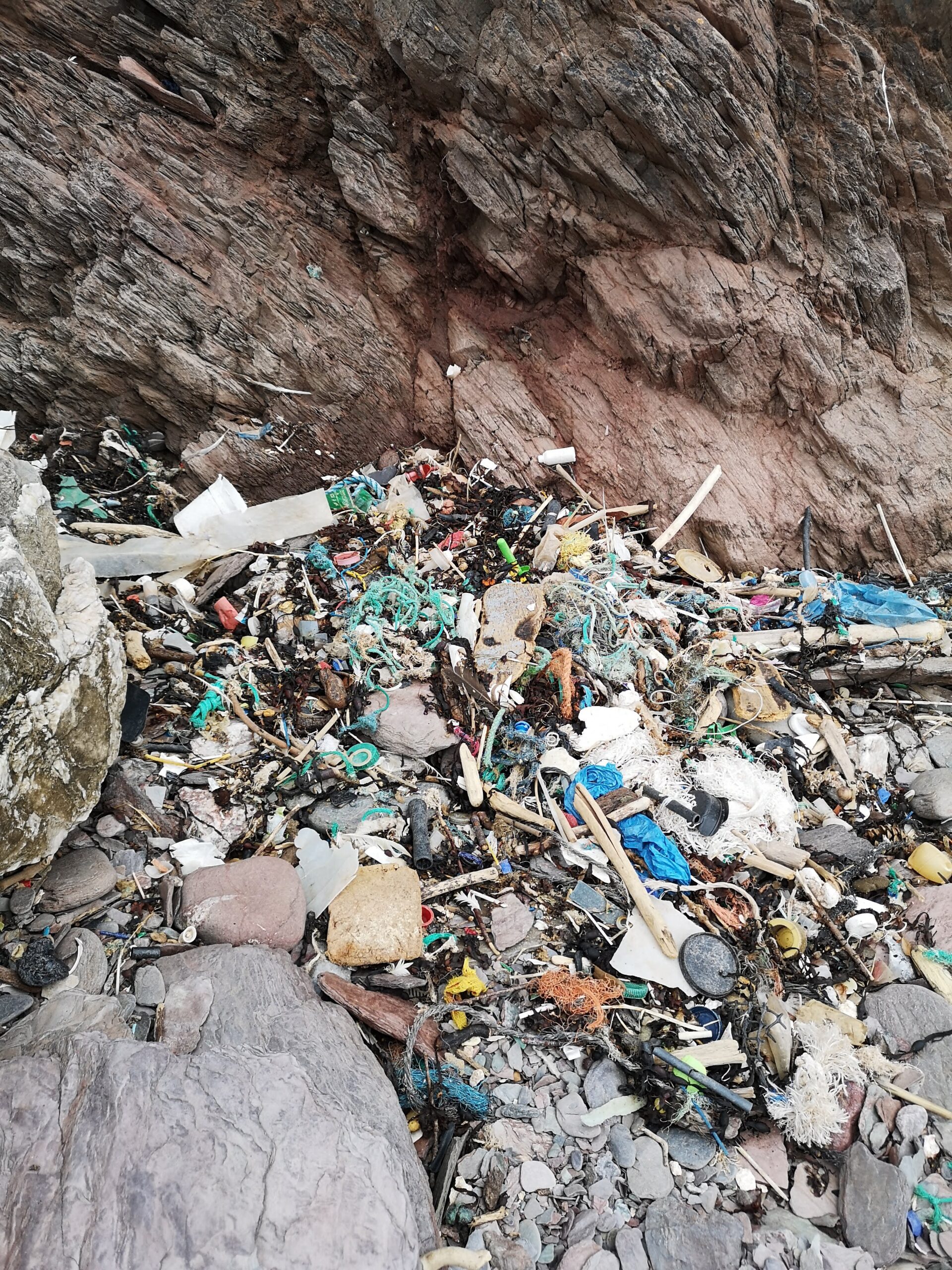
This has all led to action from government, business and civil society. We saw the rise of the zero waste store, increasing attention given by individuals to their plastic consumption, the introduction of bans on plastic straws and charges for using single use plastic bags at the supermarket.
However, it is becoming clear that it is still not enough. Our streets, waterways and oceans are still littered with single use plastics, such as drinks bottles, crisp packets and more. Recent research has shown that microplastics (microscopic pieces of plastic) are ending up in the fertilisers used by farms growing our food across Europe and microplastics were even found in human blood!
This is where The Big Plastic Count comes in.

Greenpeace UK and Everyday Plastic have partnered up to run The Big Plastic Count, an initiative all about uncovering the truth about how much plastic is padding through our homes and is used in our daily lives. The Big Plastic Count is not about shaming individuals or pitting people against each other to see who can produce the least waste. Instead, it is about gathering new, game changing evidence to push the government and business to take action on plastic pollution.
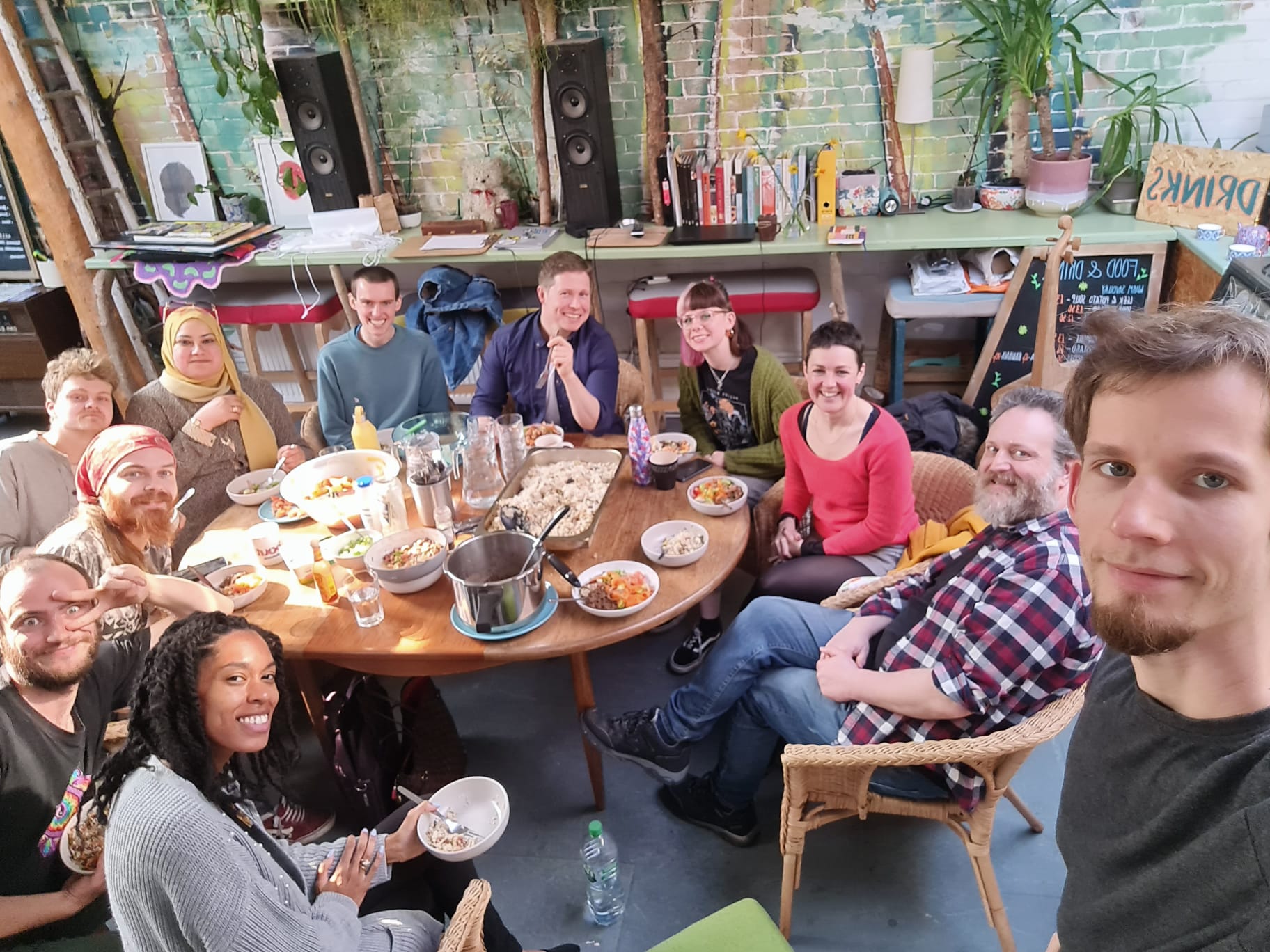
Here at Open Source Arts we decided to take part with many of the team signing up and counting their own plastic waste. We thought this a great opportunity to share a few of our team’s experiences from doing The Big Plastic Count and any of our reflections.
Tick
Recently I took part in The Big Plastic Count counting the plastic I produced. It was really interesting to see what convenience things I was consuming, with small bottled drinks and snacks making up the majority of my count.
The count really made me think about how prevalent plastic was in my life and helped me see which plastic waste is avoidable and what is almost impossible to avoid. It also made me reflect on my attitude towards wanting big companies to do something about the plastic they produce. I consider my participation in plastic consumption as an act that drives up demand. Maybe if I can find alternatives it could contribute to reducing plastic production. I do want to lower my demand.
However, collective action is also so important. This is what The Big Plastic Count is all about for me; creating a collective effort to gain more information about plastic usage and using this to drive change from government and big business.
For change to happen at the top, in these big businesses and national governments, it might take enough change at the bottom. As the saying goes, if you want to burn down a tower, you start a fire at the bottom, not the top. So hopefully The Big Plastic Count can make this possible!
Sheri
I recently took part in The Big Plastic Count as a family of three. After a few days of counting we quickly realised that the majority of our plastic use came from snack wrappers, such as crisps, chocolates and yoghurt, as well as tubs and film coverings used for fruit and veg.
Taking part in the count not only made us more mindful about our own personal plastic use, but it highlighted that some of the things we were using were actually unavoidable due to the lack of choice and availability in supermarkets.
Hopefully this large scale data will serve as an opportunity for there to be more consideration around implementing policy change that will tackle the increasing plastic problem in the UK and beyond.
Sam
Taking part in The Big Plastic Count really gave me the opportunity to be more conscious of what I was consuming as well as the impetus to reflect on the impacts my consumption choices were having.
Convenience snacks, such as snack bars and yoghurt pots, quickly started to add up and formed the bulk of my plastic use highlighting how our quick paced lifestyles have been a contributing factor to the increasing use of plastic. But it also made me recognise the lack of alternatives!
This is illustrative of my greatest realisation; just how unavoidable plastic is in our daily lives! It is civil society and campaigns like The Big Plastic Count that are helping to put pressure on the government and business as they call for policy change to make a real difference. Collective action and large scale, publicly sourced datasets will really highlight our appetite for change.
The Big Plastic Count might be able to reinvigorate a widespread call for change across the UK and bring about the really important changes in policy and business attitude that we need!
Myra
In a similar way to calculating my environmental footprint on WWF’s calculator (link https://footprint.wwf.org.uk/#/), taking part in The Big Plastic Count helped me measure my impact much more accurately than just guessing. Both of these actions have helped illuminate my impact and behaviour; and both threw up some surprises!
As a household we order a fair amount of dried food in bulk and often receive veg boxes, so I was expecting minimal plastic packaging over the week. One of the most surprising elements was just how much plastic we did find ourselves counting!
The bulk of our plastic waste over the week came from the times we were out and about and travelling. Convenience food quickly adds up for plastic waste, with many items comprising of multiple types of plastic, increasing our count even more (and making it more tricky to recycle). The number of hard plastic caps and lids (from bottles, cartons, jars, etc.) quickly added up and these items are very tricky to reduce.
With so many essential items packaged in plastic it is difficult to reduce and eliminate single use plastic from our lives. It is also noticeable that not all plastics can be recycled in our green bin, which limits the lifecycle of the plastic, and increases the use of valuable virgin materials. Typically, using virgin materials uses much more energy and depletes more natural resources than using recycled materials.
There is a limit to what individuals can do to reduce their waste and to live more sustainably to help look after the planet. We call on the Government to do more to incentivise and support alternatives to provide us with a more sustainable future, and to provide services to enable us to recycle all types of plastics available.
Here at Open Source Arts we try to choose alternatives to single waste plastics where feasible, to reuse if possible, and to recycle to give it another life if those options aren’t available
Greenpeace UK and Everyday Plastic have partnered up to run The Big Plastic Count, an initiative all about uncovering the truth about how much plastic is padding through our homes and is used in our daily lives. The Big Plastic Count is not about shaming individuals or pitting people against each other to see who can produce the least waste. Instead, it is about gathering new, game changing evidence to push the government and business to take action on plastic pollution.
Here at Open Source Arts we decided to take part with many of the team signing up and counting their own plastic waste. We thought this a great opportunity to share a few of our team’s experiences from doing The Big Plastic Count and any of our reflections.
Contact Us
Open Source Arts
Unit 1a Aire Place Mills
143 Kirkstall Road
LS3 1JL
01132 468 975